

Think back to the last time you walked into a casino. The bright lights, the loud noises, the exciting music, the sounds of slot machines paying out. It’s intoxicating, even if you’re not a gambler. Nearly every slot machine seat is taken, and gamblers are pushing their buttons at rapid rates.
Your attention is drawn to the old lady on the aisle, as you hope for her sake that she’s about to win big: seven…seven…cherry! Ah, so close! You stop for a moment and watch her mash that button again. Seven…seven…lemon! Must be rigged. But you still keep your eye on the machine. She was so close to hitting the jackpot! Maybe this spin is the one.
Forgetting the fact that casinos tend to program aisle-facing machines to win slightly more often than normal, what you’ve fallen for (and what nearly every human falls for) is what’s called the “close-call effect.” It hits us in all walks of life. Your favorite sports team loses the championship on the last play of the game and you feel absolutely crushed. If that same sports team loses in a blowout, you don’t feel quite as bad, even though the final score doesn’t change the fact that they still lost.
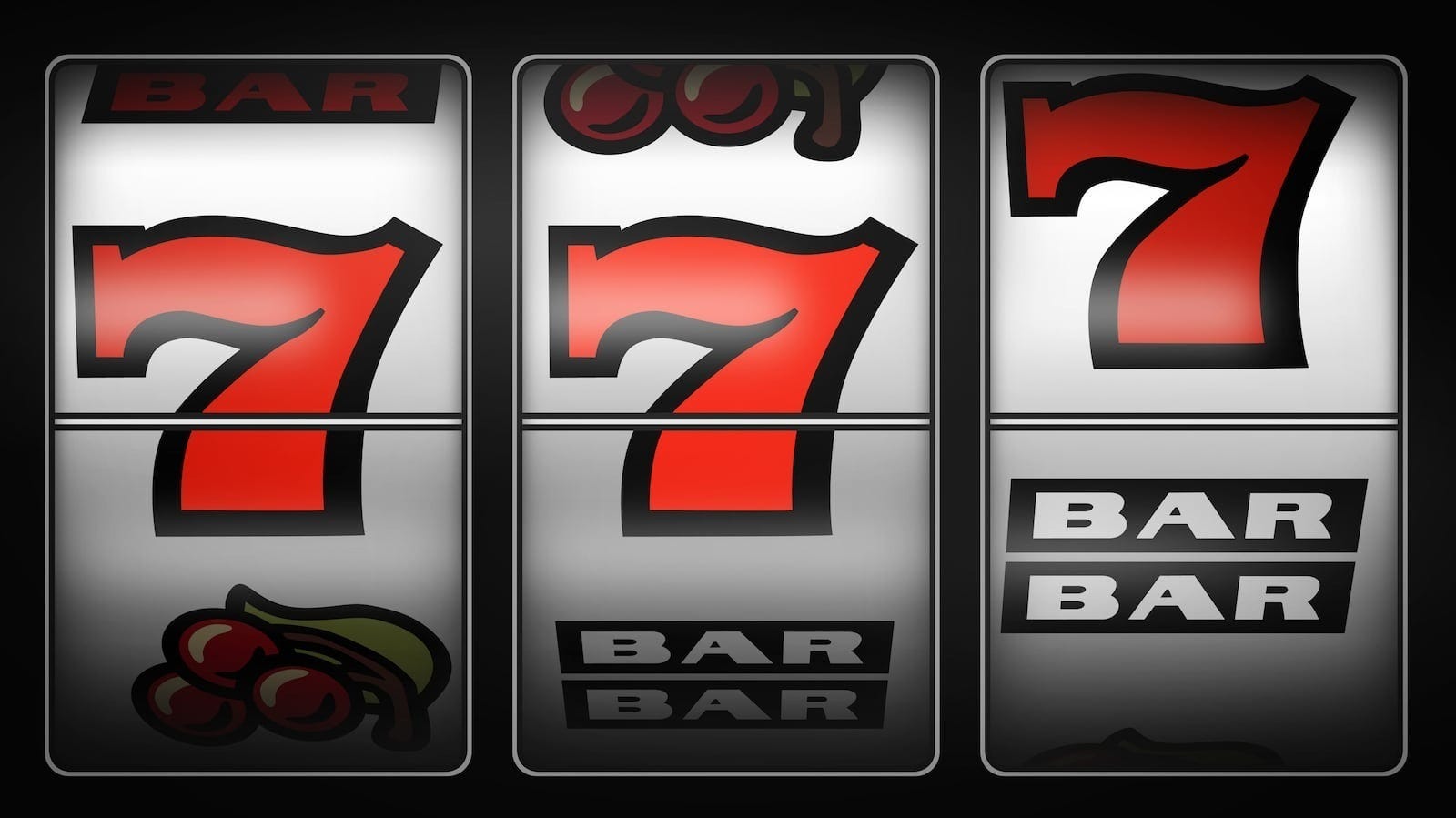
Near misses trigger the same reward center as wins in our evolved brains. Dopamine levels spike when you nearly win, which is dangerous. It reinforces behavior without delivering the actual reward of winning. Near misses increase engagement. That’s how casinos are so successful. They don’t want you to win. They just want you to continue engaging, and they do it by tricking you into thinking you’re about to win.
The brain interprets “close” as progress, even when it isn’t. This was one of the key findings of two famous scientists, Amos Tversky and Danny Kahneman. I’ve written about them before, but in short they performed tons of research on behavioral irrationality. They are perhaps the two people that most contributed to our library of knowledge about human behavior. The close-call effect came up many times in their research findings. For example, a traveler feels worse when they miss their flight by five minutes than if they missed it by 30 minutes, even though the result itself hasn’t changed. And if three people all have losing lottery tickets, the one who was only one number off feels worse than the ones who didn’t match a single digit, even though none of them won the jackpot.
While this is classic human behavior, and we all do this regularly, it can be fatal in business. Being oh-so-close to success can have disastrous consequences if you don’t properly analyze your failure. Near-success is more addictive than failure, because it preserves hope while preventing change. If you miss a sales goal by miles, you tend to break down the entire process and build it back up. But if you miss a sales goal by an inch, you are liable to think “Ah, we’ll get it next time.” And it’s possible that your process really is correct. But being close doesn’t make it correct. Being correct makes it correct.
Clear failure forces reassessment. Near-success invites endurance and grit in trying the same thing again. Endurance without reevaluation becomes inertia. And inertia is a death knell to most small businesses.
There are a large number of ways this can sneak up on you in business. You could have an incredibly busy week, and fall just short of meeting your productivity goal. A typical response can be, “We’re just one more hire away.” But in reality, it’s possible that your process is inefficient. Maybe you’re not one hire away, but rather could improve the process to the point where you’re actually over-employed by a few people.
What about a busy season in which you miss a sales goal by a small amount? It shouldn’t matter how close you were, you should always break down the entire process as if you missed it by a mile. Perhaps your process was right, but perhaps it wasn’t. It has no bearing on whether or not you’re on the right track. Leaders often confuse motion with progress. The two are correlated, but correlation does not equal causation.
Think of it like an accounting issue. If you’re adding up the debits and credits (in a pre-software world), and you’re off by three cents, it’s easy to assume that you’re just off by three cents. But in reality, you could be off by 3,564.05 in one column and 3,564.08 in the other column. That’s a much different picture than three cents.
What kind of phrases can you catch yourself saying, either out loud or silently, that mirror the close-call effect? If you’re behind on your bills, have you ever thought, “Oh, we just need one good month of business to get out of this.” Or, if you’ve been trying to solve a major operational problem, have you said “We’re really close, so we must be on the right track”? Sometimes your beliefs are indeed true, but it’s easy to be fooled by the close-call effect.
It’s just like the mantra, “Busy is not the same as better.” You can work your butt off, but if you’re not doing the right work, you’re not actually getting anywhere. We often confuse exhaustion with momentum. In fact, hardworking leaders are most at risk here. Persistence is often rewarded in our society. Grit is a strong, respected leadership trait. But those two alone don’t make someone successful. On the pyramid of business success, grit and hard work would be close to the top, not the bottom. You build a foundation with the proper strategy, team, and processes, and only then does hard work actually make a difference. If you’re asking “Why isn’t this working” instead of “Is this going to work at all”, you’re putting yourself and your business at risk.
Now, this doesn’t mean you should give up anytime you fall short. Far from it. Instead, any level of failure, whether you were an inch away or a mile away, should result in a reassessment. Failure is an excellent learning opportunity, even if you believe you were that close.
Near-success deserves scrutiny. Hell, even success still deserves scrutiny, because we can always improve. But what’s crucial, when you fall short, is to remember that hope is not a plan. Optimism doesn’t replace proper planning. Almost winning feels like validation. But sometimes it’s the last signal you’ll get before a decline.